
A truck check engine light is not a diagnosis by itself. It is a signal from the truck’s onboard monitoring system that one or more components, readings, or operating conditions need attention. The cause might be minor, but it may also involve an engine sensor, fuel system concern, electrical connection, emissions component, or developing aftertreatment issue.
For commercial drivers, owner-operators, and fleet managers, the right response can reduce downtime and prevent a warning from becoming a derate, shutdown, or roadside repair. Maddiso Inc. supports heavy-duty truck owners throughout Memphis, TN, Olive Branch, MS, and nearby areas of Tennessee, Mississippi, and Arkansas with mobile diesel diagnostics and commercial truck repair support.
1. What a Truck Check Engine Light Actually Means
A truck check engine light appears when the engine control module, or ECM, detects a condition outside expected operating parameters. The ECM receives information from sensors and electronic controls throughout the truck. When a reading is abnormal, the system may store a diagnostic trouble code, often called a fault code.
The warning does not always mean the engine has suffered major damage. It does mean the truck needs attention. Ignoring the light can allow a small electrical, fuel, air, or emissions concern to develop into a more serious issue.
Some warnings remain steady, while others may appear with messages, alarms, loss of power, or a flashing indicator. The severity depends on the truck’s system, active faults, and how the vehicle is operating.
2. Start With the Warning Light, Messages, and Truck Behavior
A truck check engine light should be considered alongside the truck’s symptoms. Before a technician arrives, drivers can make note of what happened when the warning appeared.
Useful information includes:
- Whether the light is steady, flashing, or paired with a stop-engine warning
- Any fault messages shown on the dashboard
- Changes in power, idle quality, fuel economy, or exhaust behavior
- Recent hard starts, stalling, overheating, smoke, or unusual noises
- Whether the truck entered a reduced-power or derate condition
- Recent repairs, fuel stops, or maintenance work
A dashboard warning alone does not identify the failed component. A fault code provides a direction for testing, but proper diagnosis still requires evaluating the truck’s symptoms, wiring, sensor readings, and related systems.
3. Engine and Sensor Faults Can Trigger the Warning
Modern diesel engines use sensors to monitor crankshaft position, camshaft position, intake air temperature, boost pressure, coolant temperature, oil pressure, exhaust temperature, and many other conditions. If a sensor produces an implausible reading, loses communication, or receives unstable voltage, the ECM may turn on a truck check engine light.
The cause may be the sensor itself, but it may also be damaged wiring, a loose connector, corrosion, poor grounding, or a mechanical condition that caused the abnormal reading. Replacing a sensor without testing the circuit and related system can leave the original issue unresolved.
Engine-related warnings may be accompanied by rough running, reduced power, extended cranking, poor throttle response, or abnormal temperature readings. If the truck has a stop-engine warning, severe power loss, unusual noise, or signs of overheating, it should be safely taken out of service and inspected.
4. Fuel Delivery Problems May Cause Performance Warnings
Diesel fuel systems require clean fuel, proper pressure, and reliable delivery. Restricted fuel filters, water contamination, air entering the fuel system, injector concerns, or lift-pump problems can trigger fault codes and driveability issues.
A truck check engine light may appear with hard starting, hesitation, reduced power, rough idle, poor acceleration, or a stall. Since similar symptoms can come from air intake, electrical, or sensor problems, professional testing is important.
Drivers should avoid repeated long cranking attempts or improvised work on high-pressure diesel fuel components. Fuel-system diagnosis should be performed by qualified technicians using appropriate procedures and diagnostic equipment.
5. Electrical Problems Often Hide Behind a Fault Code
A failed sensor is not always the real problem. Electrical issues can trigger fault codes across many truck systems. Chafed wiring, loose connectors, weak batteries, poor grounds, damaged harnesses, water intrusion, and charging-system concerns can all interrupt communication or change sensor readings.
When a truck check engine light appears intermittently, especially after rain, vibration, or recent repairs, an electrical issue may be involved. The warning may clear temporarily and return later, which can make the problem difficult to identify without systematic testing.
Mobile diesel diagnostics can help technicians inspect stored and active codes, verify power and ground circuits, review live sensor data, and locate problems that may not be obvious during a basic visual check.
6. Aftertreatment Faults Need Proper Attention
Diesel aftertreatment systems reduce exhaust emissions through components such as the diesel particulate filter, diesel oxidation catalyst, DEF system, sensors, and selective catalytic reduction system. A problem in any of these areas can activate a truck check engine light.
Possible causes include sensor faults, DEF quality or delivery concerns, wiring problems, exhaust leaks, regeneration issues, restricted components, or abnormal exhaust-temperature readings. The same warning can result from different faults, so guessing based on the light alone can lead to unnecessary repairs.
Watch for derates and emissions-related messages
Aftertreatment warnings may progress from an initial dashboard light to reduced engine power, limited speed, or a more severe warning message. When a truck enters a derate, prompt diagnostics are important. Continuing to operate while warnings escalate can increase downtime and may lead to a condition where the truck cannot continue operating normally.
A technician can use diagnostic tools to review fault information, system data, sensor values, and the conditions present when the code set. That helps distinguish between a sensor issue, a wiring concern, a DEF-related problem, or a broader aftertreatment fault.
7. Know the Difference Between a Warning and an Urgent Alert
Not all dashboard warnings require the same response. A steady truck check engine light may allow the driver to safely move the truck to a repair location, depending on truck behavior and any accompanying alerts. However, that decision should never be based on the light alone.
A stop-engine message, red warning indicator, severe engine derate, low oil pressure warning, overheating condition, active air brake warning, smoke, fuel leak, or unusual mechanical noise requires immediate caution. Pull over safely as soon as possible, shut down if appropriate for the condition, and contact a qualified truck repair provider.
Drivers should not continue operating a truck with an urgent warning simply to finish a load or reach the next stop. The risk to the engine, safety systems, driver, and others on the road is too high.
8. Clearing a Fault Code Does Not Fix the Underlying Problem
It may be tempting to erase a code after a truck check engine light comes on, particularly when the truck seems to be running normally. But clearing the code only removes the warning from the display or stored memory at that moment. It does not repair a damaged wire, restricted fuel filter, malfunctioning sensor, exhaust issue, or failing aftertreatment component.
If the underlying condition remains, the code will often return. In some cases, clearing codes may also remove information technicians need to identify when the issue occurred and what systems were affected.
The best approach is to document the warning, note symptoms, and arrange diesel diagnostics. Technicians can identify active and inactive codes, assess live system data, and perform inspections that help confirm the actual repair needed.
9. Routine Maintenance Helps Prevent Repeat Warnings
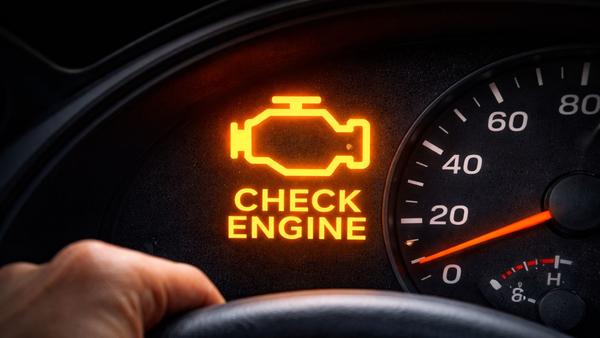
A truck check engine light cannot always be prevented, but consistent maintenance reduces the risk of many recurring faults. Regular inspections can identify worn wiring, loose connectors, fluid leaks, fuel filter restrictions, low battery voltage, hose damage, and emerging cooling-system issues before they create larger problems.
Fleet maintenance should include attention to battery and charging health, filters, fluids, air intake components, exhaust and aftertreatment systems, belts, hoses, and visible wiring condition. Maintenance records also help identify repeated faults across a fleet or recurring issues on one truck.
Drivers play an important role by reporting warning lights promptly. A minor warning that is addressed during planned service is easier to manage than a breakdown that happens during a delivery.
When to Request Mobile Diesel Diagnostics
Mobile diesel diagnostics may be a practical option when a truck is at a customer location, yard, truck stop, or another place where it can be safely inspected. A technician can retrieve codes, assess truck behavior, inspect key systems, and determine whether an on-site repair is appropriate or if additional shop work is needed.
When calling for help, provide the truck make and model, engine information if available, location, dashboard messages, fault codes, recent repairs, and current symptoms. Clear information helps the technician begin with a more focused diagnostic plan.