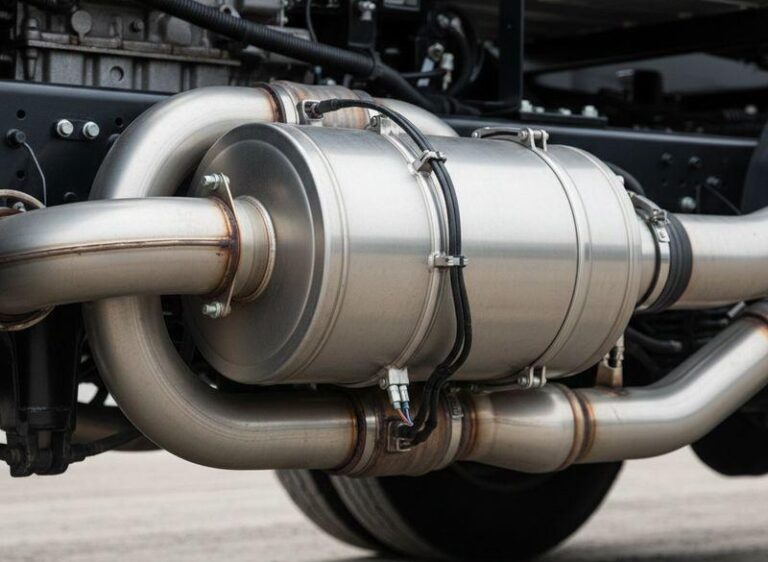
A diesel particulate filter warning can create uncertainty fast, especially when a truck is under load or far from the terminal. A forced regen service may be needed when the DPF cannot complete its normal cleaning cycle, but regeneration should never be treated as a universal fix. The warning may be linked to soot accumulation, a sensor fault, an exhaust leak, engine performance concerns, or a problem within the diesel aftertreatment system.
For drivers, owner-operators, and fleet managers in Memphis, TN, Olive Branch, MS, and nearby service areas, understanding the DPF system helps prevent a warning light from becoming a derate or extended downtime event.
1. What the Diesel Particulate Filter Does
The diesel particulate filter, commonly called the DPF, is part of a commercial truck’s emissions aftertreatment system. Its job is to capture soot particles created during normal diesel combustion before they leave the exhaust system.
Over time, the filter collects soot and must clean itself through a controlled process called regeneration. Without regeneration, soot can accumulate until exhaust flow becomes restricted. The truck may then display warning messages, lose power, enter a derate condition, or eventually limit normal operation.
The DPF does not work independently. Its performance is tied to engine operation, exhaust temperatures, sensors, wiring, fuel delivery, air intake condition, and other aftertreatment components. That is why recurring DPF issues need diagnosis rather than guesswork.
2. Regeneration Is the Process That Burns Off Collected Soot
DPF regeneration raises exhaust temperatures so collected soot can be converted into ash and less restrictive material. The truck manages this process using the engine control module, exhaust temperature sensors, differential pressure sensors, fuel dosing components, and other controls.
Regeneration is a normal part of operating many modern diesel trucks. It does not automatically mean something is wrong. However, warning messages or failed regeneration events may indicate that the process is not completing as intended.
There are three common forms of DPF regeneration:
Passive Regeneration
Passive regeneration happens during normal driving when exhaust temperatures are high enough to reduce soot buildup. Highway operation and sustained engine load may support passive regeneration, though operating conditions vary by truck and engine.
Active Regeneration
Active regeneration occurs when the truck’s control system raises exhaust temperatures to clean the filter. The driver may notice changes in engine sound, fan operation, fuel use, or dashboard messages while the process is underway.
Parked Regeneration
A parked regeneration is initiated while the truck is stationary under appropriate conditions. The truck’s instructions and safety requirements must be followed closely. High exhaust temperatures created during regeneration can present a fire hazard.
Do not attempt a parked regeneration near flammable materials, dry vegetation, fuel vapors, buildings, or unsuitable surfaces. If there is any uncertainty about the warning, location, or truck condition, seek qualified assistance.
3. Know the Signs of a DPF-Related Problem
A DPF warning does not always point to a plugged filter. Still, it should not be ignored. The truck may be signaling that soot levels are rising, a regeneration is needed, or an aftertreatment component is reporting abnormal readings.
Common signs include:
- DPF, check engine, or emissions warning lights
- Messages requesting regeneration
- Reduced engine power or torque
- A diesel engine derate warning
- Increased fuel consumption
- Difficulty completing a regeneration
- Frequent regeneration requests
- Exhaust temperature or sensor-related fault codes
- Warning lights that clear and return
The sooner the issue is assessed, the more likely it can be addressed before it affects normal operation. A forced regen service may be considered when diagnostic results show that a professionally controlled regeneration is appropriate for the truck’s current condition.
4. What Causes DPF Regeneration to Fail?
Regeneration can fail for many reasons. The DPF may have excessive soot accumulation, but the underlying reason may involve another system.
Possible causes include interrupted regeneration cycles, extensive idling, low exhaust temperatures, short-trip duty cycles, failed temperature sensors, faulty differential pressure sensors, damaged wiring, exhaust leaks, dosing issues, or fuel and air delivery problems. Engine faults that increase soot output can also place extra strain on the DPF.
Ash accumulation is another concern. Unlike soot, ash does not burn away through standard regeneration. Over time, ash can reduce the DPF’s available capacity and may require a different service approach.
A forced regen service should not be performed simply because a dashboard light appeared. Technicians need to review fault codes, soot load data, sensor values, regeneration history, and the truck’s overall operating condition first. Regenerating a truck with an unresolved fault may not correct the warning and can create further problems.
5. When Forced Regen Service May Be Appropriate
A forced regen service is a controlled procedure performed with diagnostic equipment when normal regeneration has not cleared the soot load and the vehicle is eligible for the procedure. A trained technician uses the truck’s diagnostic system to monitor critical information during the process.
Before proceeding, the technician may review active and stored fault codes, assess temperature and pressure readings, inspect visible exhaust components, and determine whether the truck has conditions that would prevent a successful regeneration.
This work must be completed in a suitable location. Regeneration produces very high exhaust temperatures, so the truck must be positioned away from combustible materials and handled according to proper safety practices.
A forced regen service is not appropriate for every DPF warning. A truck with certain active faults, damaged exhaust components, sensor issues, fluid leaks, or signs of mechanical trouble may need repairs and further diagnostics before regeneration can be considered.
6. Repeated DPF Warnings Call for Mobile Diesel Diagnostics
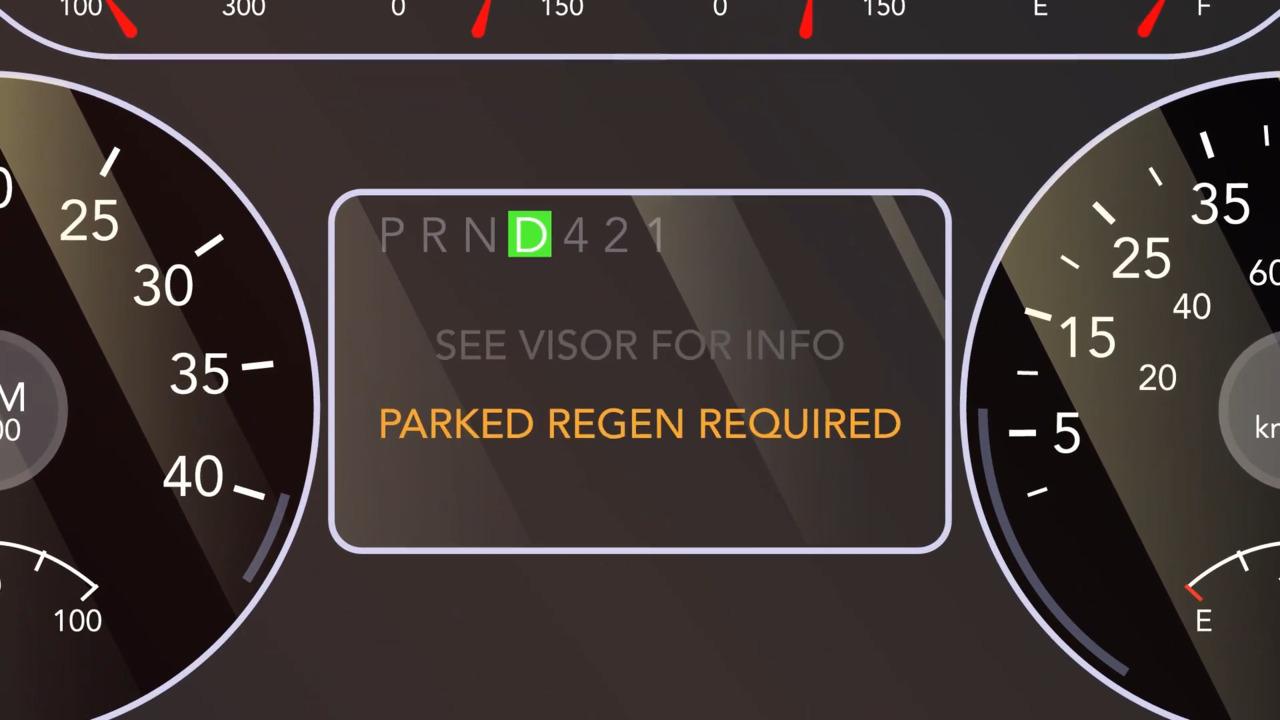
If the same warning continues to return after a regeneration, there is likely an underlying issue that has not been corrected. Clearing a fault code or completing a regen may temporarily remove the dashboard warning, but neither step repairs a failed sensor, damaged wire, exhaust leak, dosing concern, or engine performance problem.
Mobile diesel diagnostics can be helpful when a truck is parked at a customer location, yard, truck stop, or other safe location in the Maddiso Inc. service region. A technician can retrieve fault codes, review live engine and aftertreatment data, inspect accessible system components, and determine the next repair step.
For a recurring DPF concern, a technician may evaluate:
- DPF soot load and regeneration history
- Exhaust temperature sensor readings
- Differential pressure sensor data
- Wiring, connectors, power supply, and grounds
- Exhaust leaks or damaged components
- DEF and SCR-related codes
- Fuel, air intake, boost, or engine performance issues
This structured approach helps determine whether forced regen service is the right option or whether another repair must come first.
7. Maintenance Supports Better DPF Performance
Good maintenance habits help reduce avoidable DPF and aftertreatment problems. Drivers should pay attention to warning lights, messages, changes in engine performance, and regeneration requests. Reporting concerns early gives technicians a better chance to find the cause before a derate develops.
Fleet maintenance should include inspections of exhaust components, visible wiring and connectors, fuel and air intake systems, batteries, charging components, and relevant filters and fluids. Poor engine performance can increase soot production, creating more frequent regeneration demands.
Use the correct engine oil specified for the truck. Incorrect oil can contribute to ash accumulation in the DPF over time. Follow manufacturer maintenance intervals and do not treat emissions warnings as routine dashboard noise.
A forced regen service can help in the right situation, but preventive care remains the better strategy. A clean-running engine, healthy sensors, functioning exhaust components, and timely repairs support the DPF’s normal regeneration process.
When Should a Truck Be Stopped and Inspected?
A DPF or aftertreatment warning may not always require an immediate shutdown, but drivers should pay attention to the severity of the alert and the truck’s behavior. Stop operation safely and request qualified service if the truck has a stop-engine warning, significant power loss, escalating derate messages, smoke, overheating, fluid leaks, unusual mechanical noises, or other serious symptoms.
Do not keep driving solely to complete a load when warnings continue to escalate. A forced regen service may be part of the repair plan, but the truck first needs a professional assessment of its condition.
When calling for help, provide the truck’s location, make and model, engine information if available, warning messages, fault codes, recent repairs, and whether the vehicle is operating normally or experiencing reduced power.