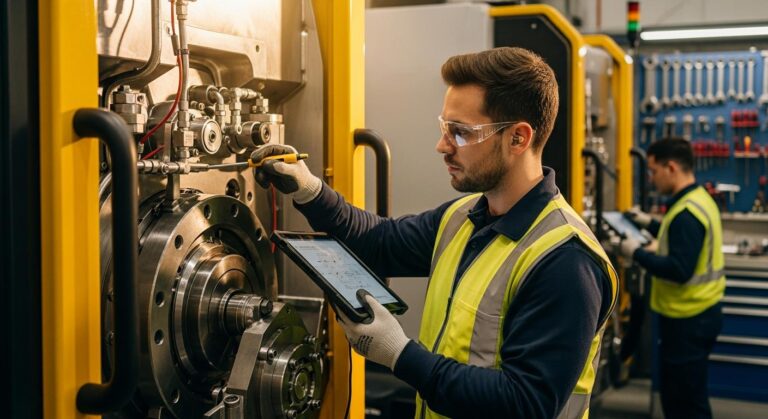
Why Industrial Equipment Maintenance Matters
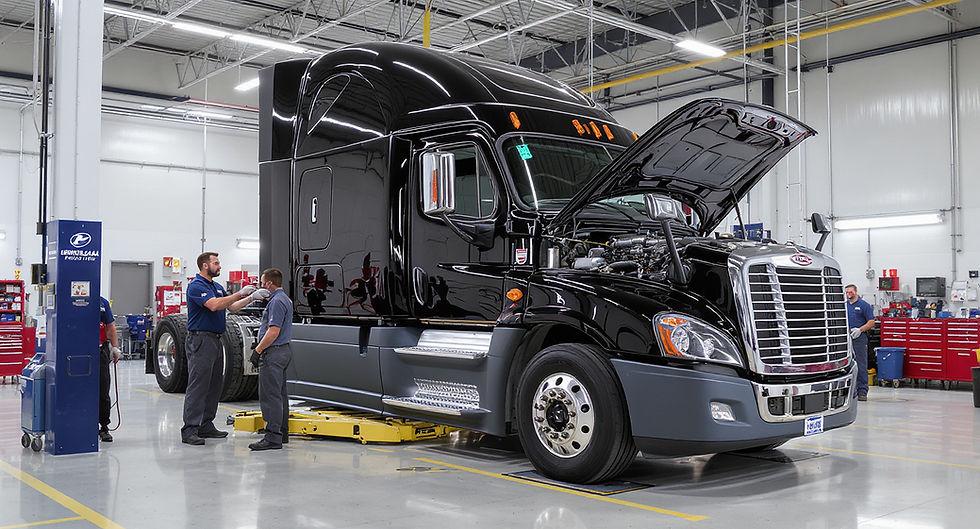
Reliable equipment supports daily production, material handling, service work, and fleet operations. When a machine fails without warning, the effects can spread quickly through a business. Work may stop, schedules can fall behind, and repair costs may increase if a small issue damages other components.
A planned industrial equipment maintenance program gives operators a practical way to identify wear, leaks, electrical faults, and performance changes before they lead to an unexpected shutdown. It also gives business owners and fleet managers better control over service scheduling, repair records, and operating costs.
The right maintenance approach depends on the equipment, operating environment, manufacturer recommendations, usage hours, and safety requirements. These eight tips provide a useful starting point for building a more consistent program.
1. Create a Routine Inspection Process
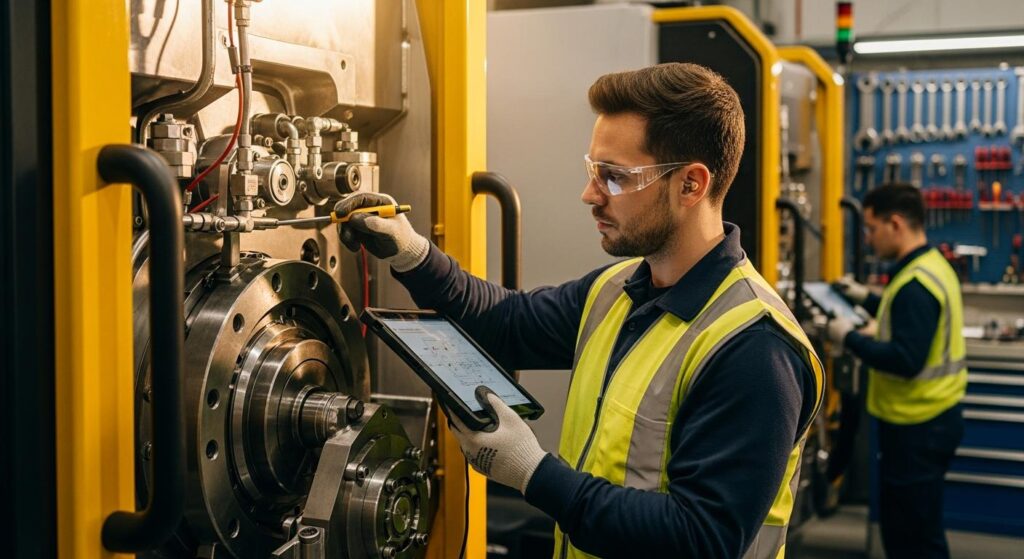
Daily or shift-based inspections can reveal problems that are easy to miss during normal operation. Operators should follow equipment-specific procedures and check the areas that affect safe and reliable performance.
A routine inspection may include:
- Fluid leaks or unusual residue
- Damaged guards, covers, hoses, or cables
- Loose fasteners or missing hardware
- Unusual noise or vibration
- Warning lights, alarms, or error messages
- Changes in operating speed or output
- Abnormal heat, odor, or smoke
- Visible corrosion or structural damage
The inspection should take place before equipment is put under a demanding workload. Operators should report anything unusual instead of assuming the issue will correct itself.
Visual inspections do not replace professional service. They provide an early warning and help maintenance personnel decide whether equipment can continue operating, needs monitoring, or should be removed from service.
2. Watch for Leaks, Odors, and Unusual Sounds
Changes in sound, smell, or appearance often provide the first indication that a machine needs attention. A new squeal, grinding sound, knocking noise, or vibration may point to worn bearings, loose components, misalignment, belt problems, or another mechanical concern.
Leaks also deserve prompt attention. Depending on the equipment, fluid may include engine oil, hydraulic fluid, coolant, fuel, transmission fluid, or another lubricant. A small leak can lower fluid levels, contaminate nearby parts, create a slip hazard, or lead to major component damage.
Operators should record where the leak appears, when it occurs, and whether it changes during operation. Do not touch unknown fluids with bare hands or inspect moving parts while equipment is operating. Follow site lockout and tagout procedures before accessing areas that could expose personnel to stored energy or moving components.
Professional industrial equipment maintenance can help identify the source of a leak instead of only cleaning the visible residue.
3. Check Fluids and Lubrication Where Applicable
Many machines rely on correct fluid levels and lubrication to reduce friction, control temperature, transfer power, or protect internal components. Low, contaminated, or incorrect fluid can increase wear and shorten equipment life.
Depending on the equipment, scheduled checks may include:
- Engine oil
- Hydraulic fluid
- Coolant
- Gear oil
- Transmission fluid
- Compressor oil
- Grease at approved lubrication points
Use the equipment manufacturer’s specifications for fluid type, inspection method, service interval, and fill level. Do not mix products unless the manufacturer or a qualified technician confirms compatibility.
Fluid checks can also reveal broader problems. Milky oil, metal particles, burnt odor, foaming, or repeated fluid loss may indicate internal wear, overheating, contamination, or a leak. Those conditions require professional evaluation rather than repeated fluid top-offs.
4. Pay Attention to Electrical Warning Signs
Electrical issues can stop equipment without much warning. Loose terminals, damaged insulation, corroded connectors, weak batteries, overloaded circuits, poor grounds, and failing switches may cause intermittent operation or complete shutdown.
Warning signs include flickering displays, repeated fuse failures, unusual battery drain, slow starting, intermittent controls, burning odors, and error codes. Equipment that trips breakers or produces heat around a panel should be taken seriously.
Operators should not bypass fuses, overload circuits, or make temporary wiring repairs that do not meet the equipment’s requirements. Electrical troubleshooting can expose workers to shock, arc-flash, stored energy, and unexpected startup hazards. Qualified personnel should perform testing and repairs under the appropriate safety procedures.
A maintenance technician can test voltage, continuity, grounds, relays, batteries, alternators, control modules, and related wiring to identify the actual source of the fault.
5. Inspect Mechanical Components Before Failure
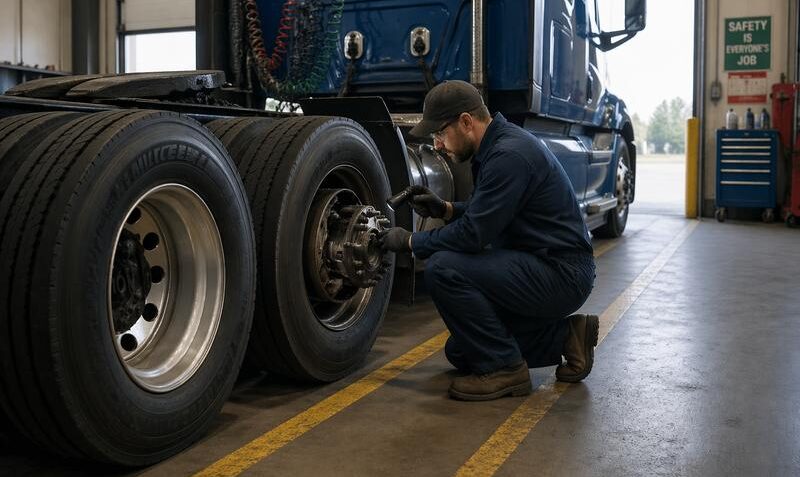
Mechanical wear can affect belts, chains, couplings, pulleys, bearings, shafts, gears, mounts, linkages, and other moving parts. A component may continue operating while its condition gradually worsens, making early detection important.
Look for:
- Frayed, cracked, or glazed belts
- Loose or damaged guards
- Excessive play in moving components
- Misalignment
- Abnormal vibration
- Repeated overheating
- Metal dust or particles
- Worn mounts or fasteners
Do not inspect rotating parts with the equipment running. Follow shutdown, isolation, and lockout procedures before removing guards or reaching into machinery.
A professional inspection can identify worn components and determine whether adjustment, lubrication, replacement, or further testing is needed. Repairing a worn part early may help prevent damage to connected components.
6. Record Maintenance Findings and Repairs

Maintenance logs give a business a clear record of what happened, what was repaired, and what still needs attention. Without accurate records, teams may repeat inspections, overlook recurring faults, or miss service intervals.
A useful log may include:
- Equipment identification
- Date and operating hours
- Inspection findings
- Fluid checks and service performed
- Fault codes or warning messages
- Parts replaced
- Technician notes
- Follow-up recommendations
- Next scheduled service
Consistent records can also reveal patterns. If one machine needs repeated belt repairs, overheats regularly, or develops the same electrical fault, the problem may require a deeper evaluation. For fleets, maintenance data can help compare equipment performance and prioritize service.
Digital or paper records can both work. The important point is that the information remains accessible, accurate, and easy for operators and service personnel to understand.
7. Build a Planned Maintenance Schedule
A maintenance schedule turns inspections and service into repeatable tasks instead of last-minute decisions. Start with the manufacturer’s recommendations, then adjust the schedule based on operating hours, load, environment, seasonal conditions, and equipment history.
A schedule may include:
- Pre-use operator checks
- Daily or weekly inspections
- Fluid and lubrication service
- Filter replacement
- Electrical testing
- Belt, hose, and coupling checks
- Safety device inspections
- Seasonal preparation
- Annual or hour-based professional service
Separate tasks by frequency and responsibility. Operators may complete basic visual checks, while trained maintenance personnel handle service procedures and repairs. Safety-critical systems should receive attention from qualified professionals.
Leave room for corrective work. A schedule that accounts only for routine service may not provide enough time to address problems discovered during inspections.
8. Know When Professional Maintenance Is Needed
Professional service is appropriate when equipment has persistent warnings, recurring leaks, unusual noise, overheating, reduced output, electrical faults, visible damage, or a safety-related concern. It is also appropriate when the required inspection or repair involves specialized tools, diagnostic equipment, pressurized systems, high voltage, lifting equipment, or stored energy.
Do not continue operating machinery that creates an immediate safety risk or shows signs of serious mechanical failure. Shut it down according to site procedures and request qualified assistance.
Maddiso Inc. can discuss industrial equipment maintenance needs based on the equipment, issue, service location, and available resources. Since equipment types and repair requirements vary, service availability depends on the specific situation. Contact the team before scheduling work to confirm whether the requested maintenance falls within the available service scope.
How Planned Service Can Reduce Downtime
Planned maintenance cannot prevent every failure, but it can improve visibility and give a business more control over repairs. Service can be scheduled during a suitable operating window instead of after equipment fails during a critical task.
A practical program combines operator checks, professional inspections, maintenance records, and timely repairs. It also gives managers information for budgeting, parts planning, equipment replacement decisions, and workload scheduling.
The goal is not to service equipment more often than necessary. The goal is to identify the right service needs early and address them before a minor issue affects production, safety, or other connected equipment.