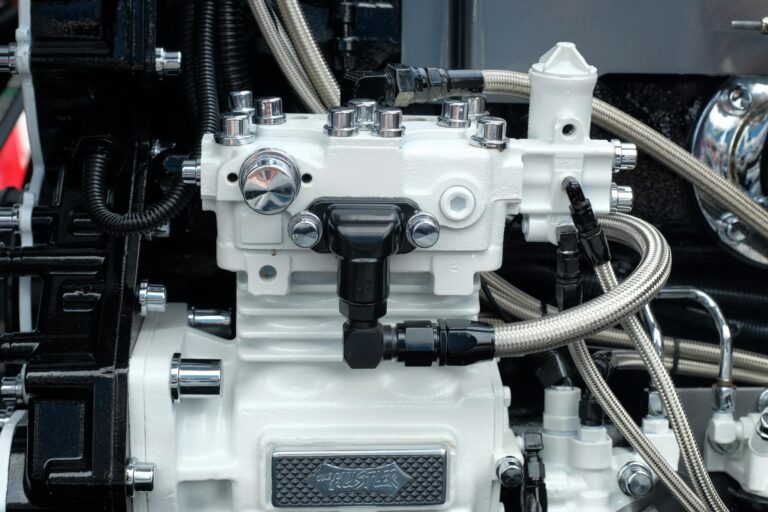
truck won’t build air pressure for several reasons, but none should be taken lightly. Commercial trucks depend on compressed air to operate their braking systems safely and reliably. When air pressure builds too slowly, fails to reach the required operating range, or drops unexpectedly, the truck may not be safe or legal to drive. If your truck won’t build air pressure, it is important to identify the underlying problem before it leads to more serious brake system damage or unexpected roadside breakdowns.
For owner-operators, fleet managers, and drivers in Memphis, TN, Olive Branch, MS, and nearby areas of Tennessee, Mississippi, and Arkansas, recognizing an air system problem early can help prevent costly downtime, missed loads, and dangerous brake-related failures. Several components can affect air pressure buildup, including leaking air lines, a weak air compressor, a faulty governor, clogged filters, or an air dryer malfunction. Even a small air leak can prevent the system from reaching its required pressure level.
Understanding why a truck won’t build air pressure is the first step toward finding the right solution. Instead of replacing parts without proper inspection, a qualified truck repair technician should examine the entire air brake system, identify the source of the problem, and recommend the appropriate repair to restore safe and reliable operation.
How a Commercial Truck Air Brake System Works
A commercial truck air brake system uses an engine-driven air compressor to create and store compressed air. That air moves through lines, tanks, valves, and brake components before it is used to apply the brakes.
The compressor sends air into the system, where the air dryer helps remove moisture and contaminants. The air then enters reservoirs, also called air tanks. From there, the system supplies air pressure to brake chambers and other air-operated components.
The governor helps control when the compressor loads and unloads. Pressure gauges in the cab allow the driver to monitor primary and secondary air circuits. When air pressure is within the proper operating range, the truck can release its spring brakes and operate normally.
If pressure does not build correctly, a driver may hear warning alarms, see low-pressure lights, or find that the parking brakes will not release. Because air brakes are safety-critical, trucks with unsafe air brake conditions should not be driven.
1. Air Leaks Are a Common Reason a Truck Won’t Build Air Pressure
An air leak is one of the most frequent reasons a truck won’t build air pressure or loses pressure after building it. Even a small leak can become a major problem if the compressor cannot produce air faster than the system loses it.
Leaks may occur in air lines, fittings, valves, brake chambers, glad hands, hoses, tank connections, or other components. Road debris, corrosion, vibration, age, and damaged line routing can all contribute to air system leaks.
Warning signs of an air leak
One common reason a truck won’t build air pressure is an air leak somewhere in the compressed air system. Drivers may notice a steady hissing sound, pressure gauges that rise very slowly, air pressure that drops while the truck is parked, or repeated low-air warnings on the dashboard. In some cases, a truck may build pressure when the engine is revved but lose it quickly once the engine returns to idle. If the pressure drops below the required level, the parking brakes may remain engaged, preventing the truck from moving safely.
A visual inspection for obviously damaged, loose, cracked, or hanging air lines can help identify potential problems. However, drivers should never crawl underneath an unsupported truck or attempt complex brake system repairs on the roadside. Pressurized air systems and commercial truck brake components require proper inspection procedures and specialized equipment to avoid serious injuries or further damage.
If your truck won’t build air pressure or keeps losing pressure unexpectedly, a qualified truck brake technician can perform a detailed inspection to locate the leak. This may involve checking air hoses, fittings, connections, valves, and other components throughout the system. Identifying whether the problem comes from a single damaged component or a larger air system failure helps ensure the correct repair is completed before the truck returns to service.
2. A Failing Air Compressor May Not Produce Enough Pressure
The air compressor is responsible for supplying the compressed air the brake system needs. If it is worn, damaged, contaminated, or mechanically failing, the truck may build pressure slowly or not at all.
Common signs of air compressor trouble include unusually slow pressure buildup, low pressure at idle, overheating concerns, excessive oil in the air system, or recurring air dryer contamination. A compressor problem may also appear alongside engine-related issues, since the compressor is driven by the engine.
Not every slow-building condition means the compressor has failed. Large air leaks, a faulty governor, restricted lines, or an air dryer problem may create similar symptoms. That is why testing matters. Replacing the compressor without identifying the actual fault can add unnecessary cost and leave the original issue unresolved.
Why compressor problems need professional diagnosis
Air compressor inspections may involve checking pressure output, system response, governor operation, line condition, oil contamination, and related components. This work should be completed by trained heavy-duty truck technicians who can assess the full air system safely.
If the compressor cannot maintain safe pressure, the truck should remain out of service until repairs are completed and the brake system is inspected.
3. Damaged or Restricted Air Lines Can Limit Airflow
Air lines carry compressed air throughout the truck. When a line is cracked, kinked, crushed, internally restricted, or disconnected, it can limit airflow and cause low air pressure.
Flexible air hoses can wear over time, particularly near areas exposed to road spray, heat, vibration, moving suspension parts, or sharp edges. Trailer connections can also become damaged during coupling, uncoupling, or tight turns. In cold conditions, moisture in the air system may freeze and restrict airflow.
A damaged line may create an obvious leak, but not always. Internal damage or a blockage can restrict air movement without producing a loud hiss. The truck may appear to build air pressure slowly, or one air circuit may respond differently from another.
Technicians can inspect line routing, connections, fittings, and system operation to identify restrictions and failures. Air line repairs must use components appropriate for commercial truck air brake applications. Improvised repairs or incorrect fittings can create a serious safety risk.
4. Air Dryer, Governor, or Valve Faults Can Interrupt Pressure Buildup
truck won’t build air pressure
Several supporting components control how air flows and how the compressor responds. A fault in one of these parts can prevent normal pressure buildup.
The air dryer removes moisture and contaminants from compressed air before it reaches the tanks and brake system. If the dryer is restricted, contaminated, or malfunctioning, airflow may be affected. Excess moisture can also damage valves, corrode tanks, and create cold-weather freeze-ups.
The governor tells the compressor when to load and unload. If the governor sticks, fails to send the right signal, or has a related air supply issue, the compressor may not operate as expected. Other valves, including pressure protection valves and check valves, can also affect how air moves through the system.
Signs of an air dryer or governor issue
Possible signs include pressure that stops rising at a certain point, erratic gauge readings, excessive moisture discharge, frequent purging, or no recognizable purge cycle. These symptoms can overlap with compressor and leak problems, so diagnostic testing is important.
A professional truck air system repair provider can inspect the dryer, governor, valves, tanks, and associated lines to identify the source of the issue.
5. Brake System Problems Can Cause Air Loss or Unsafe Operation
Brake chambers, relay valves, service lines, and other brake-related components may leak or malfunction. These issues can affect the truck’s ability to hold or use air pressure correctly.
For example, a damaged brake chamber can allow air to escape during brake application. A faulty relay valve may cause air to release improperly or may affect brake response. Spring brake problems can also create serious safety concerns.
Drivers should pay close attention to changes in brake feel, unusual air sounds during brake application, warning lights, or pressure drops that occur when the brakes are applied. Those signs require prompt inspection.
Do not drive a truck with low or unstable brake air pressure. Do not attempt to cage spring brakes, bypass air brake safety systems, or make improvised roadside brake repairs unless the work is being performed by qualified personnel under appropriate conditions.
Warning Signs Drivers Should Never Ignore
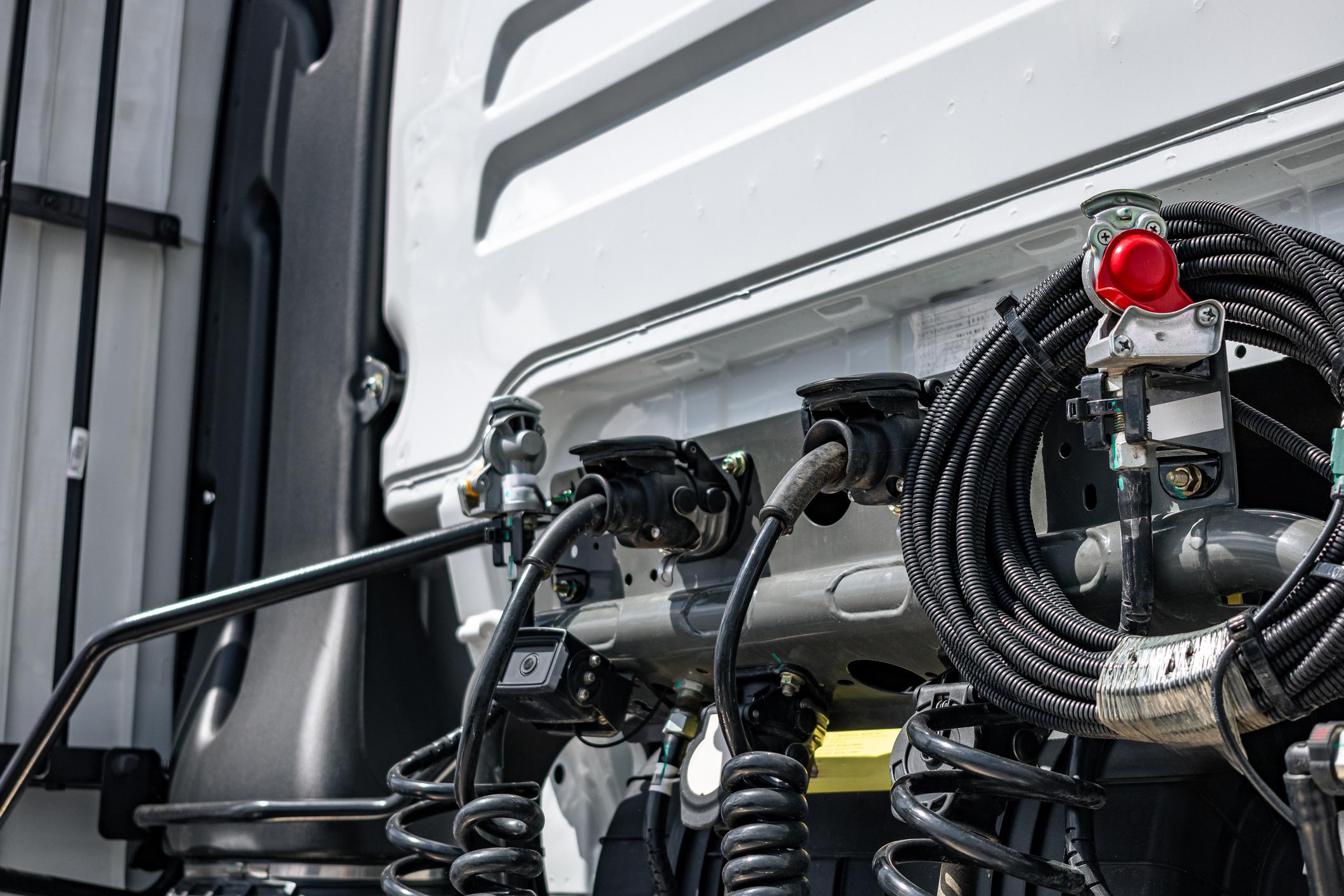
Air pressure problems do not always begin with a complete no-start or no-movement situation. In many cases, the truck gives warnings before a major failure occurs. Common signs include:
- Low air pressure warning light or audible alarm
- Pressure gauges that rise slowly or fail to reach normal operating range
- Air pressure dropping quickly after shutdown
- Constant or unusual hissing sounds
- Parking brakes that will not release
- Air leaks near the truck, trailer, or brake components
- Moisture or contamination concerns in the air system
- Brakes behaving differently than normal
A low-air warning is not a minor dashboard alert. It is a safety warning that calls for immediate attention.
When to Call for Truck Brake and Air System Repair
If pressure will not build, builds too slowly, drops rapidly, or triggers a low-air warning, professional repair is needed. A technician can test for leaks, assess compressor performance, inspect air dryer function, evaluate valves, and identify damaged lines or fittings.
Mobile truck repair may be appropriate when the truck is parked at a customer site, truck stop, yard, or roadside location where safe access is available. In other cases, the condition of the truck may require towing or a more complete shop inspection.
When contacting a repair provider, share the truck’s location, make and model, whether it is tractor-only or connected to a trailer, current pressure readings, warning lights, and any sounds or symptoms you noticed. Those details help guide the diagnostic process.
Preventive Maintenance for Truck Air Brake Systems
Routine inspection and maintenance help reduce air system failures. During scheduled truck maintenance, technicians should inspect air lines, fittings, tanks, brake chambers, valves, and compressor-related components for signs of wear, corrosion, leakage, and contamination.
Drivers can also support early detection by monitoring gauge behavior during pre-trip inspections and reporting unusual pressure buildup times, leaks, or warning lights promptly. Waiting until the truck cannot release its brakes or build enough pressure to move can turn a small repair into major downtime.
Fleet managers should track repeated air system concerns across their equipment. Frequent air leaks, moisture problems, compressor-related repairs, or low-pressure alerts can point to maintenance gaps or components that need closer inspection.\